✨"What I cannot create, I do not understand."✨

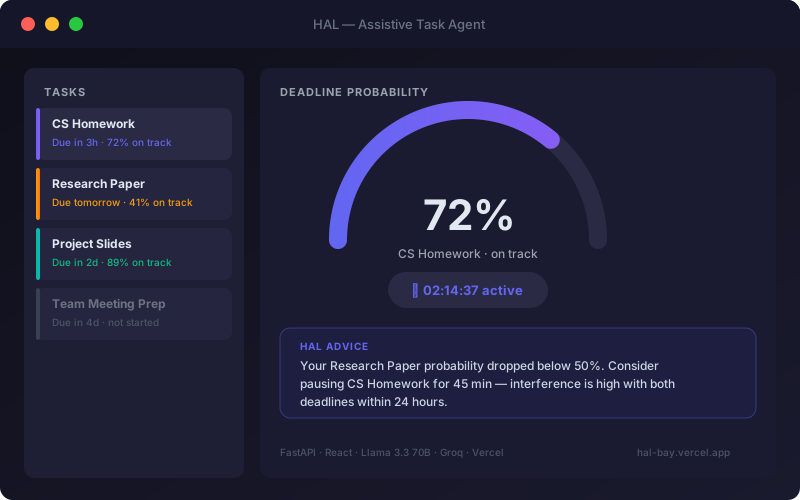
HAL — Assistive Task Agent
Independently designed, built, and deployed a full-stack AI task-assistant with a 3-stage LLM pipeline for intent classification, task extraction, and probability-aware planning advice.
- Designed a custom deadline-probability algorithm modeling multi-task interference via a closed-form integral; converges in <20 iterations, updating scores every second during active sessions.
- Built a time-aware recommendation module (Llama 3.3 70B via Groq) that proactively triggers advice when task finish probability drops across thresholds, with a live working timer feeding into real-time updates.
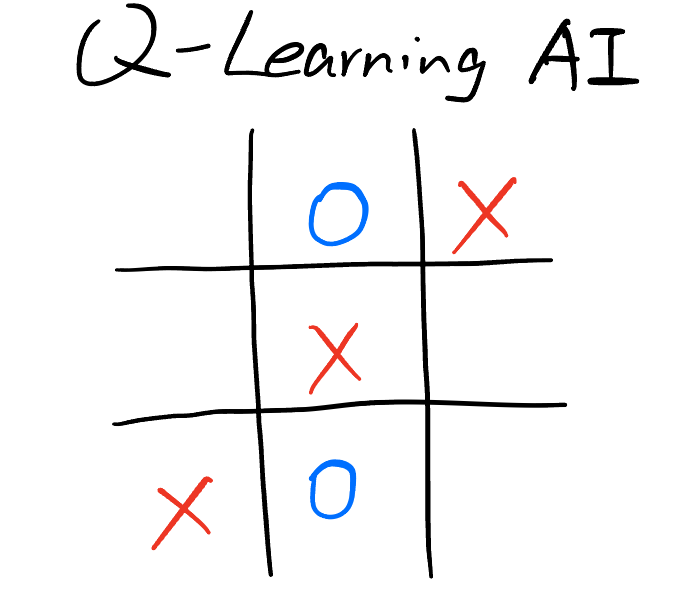
Q learning Tic Tac Toe
Built a Tic Tac Toe agent that is trained by Q learning Algorithm, being able to play against human player with a high winning rate and a 0 loss rate.
- Trained separate Q-tables for Player X and Player O.
- Optimized both Q-tables through self-play between 2 players X and O controlled by computer.
Typewriter
Built a text editor that is able to run within user's terminal, supports most of the functionality as a basic editor (e.g. moving cursor, adding/deleting contents, saving text etc).
- Used the Stack ADT for undo and redo functionality
- Extensively tested the "real world" edge cases (e.g. when the cursor is at top, bottom, left edge, right edge of the terminal)
FriendFinder
Created a social website that matches users based on hobbies, location, and availability, then suggests group activities using AI.
- Aimed to address the growing sense of loneliness by enabling meaningful connections without requiring extensive personal information upfront.
- Tech stack: HTML/CSS/JavaScript · Node.js & Express · MongoDB Atlas · Claude (Anthropic)


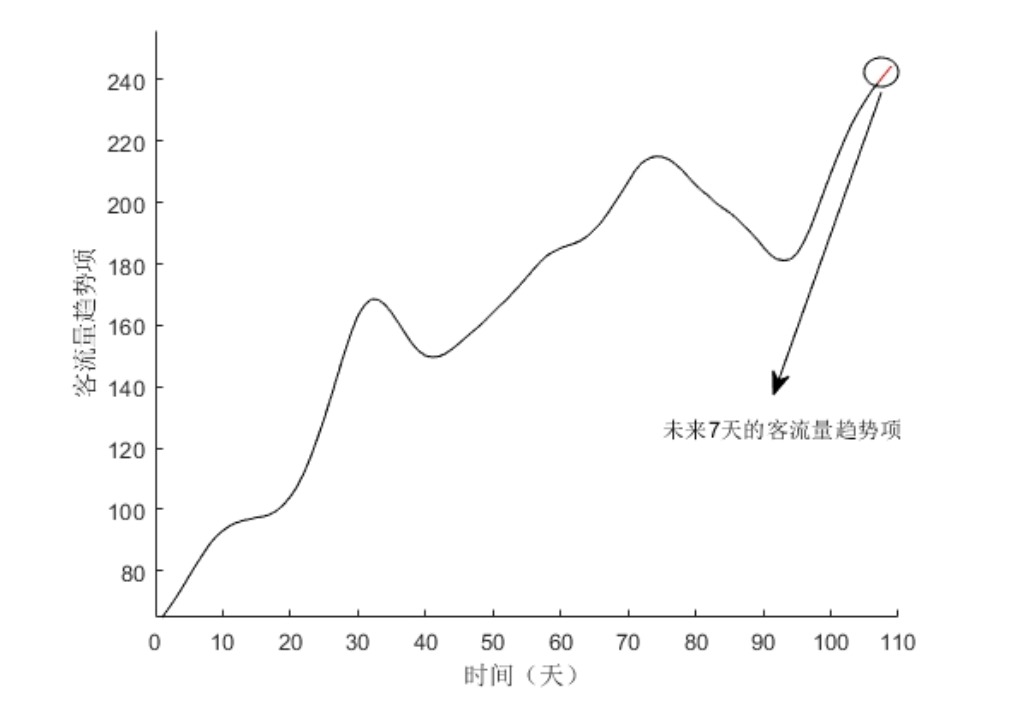
Intelligent Passenger Flow Analysis and Prediction for Urban Rail Transit
Designed a time-series model based on a neural network to analyze large-scale urban transportation datasets and forecast future passenger flow using MATLAB, SPSS.
- Optimized neural network parameters (input–hidden weights, hidden/output thresholds) using a genetic algorithm to obtain globally optimal solutions.
- Incorporated feature engineering principles by selecting key variables (e.g. weather, temperature, and holiday indicators) from multi-factor datasets (e.g. anonymized metro trip records, station metadata, and user attributes).